
Don’t Let Information Overload Make Remodeling Decisions Harder
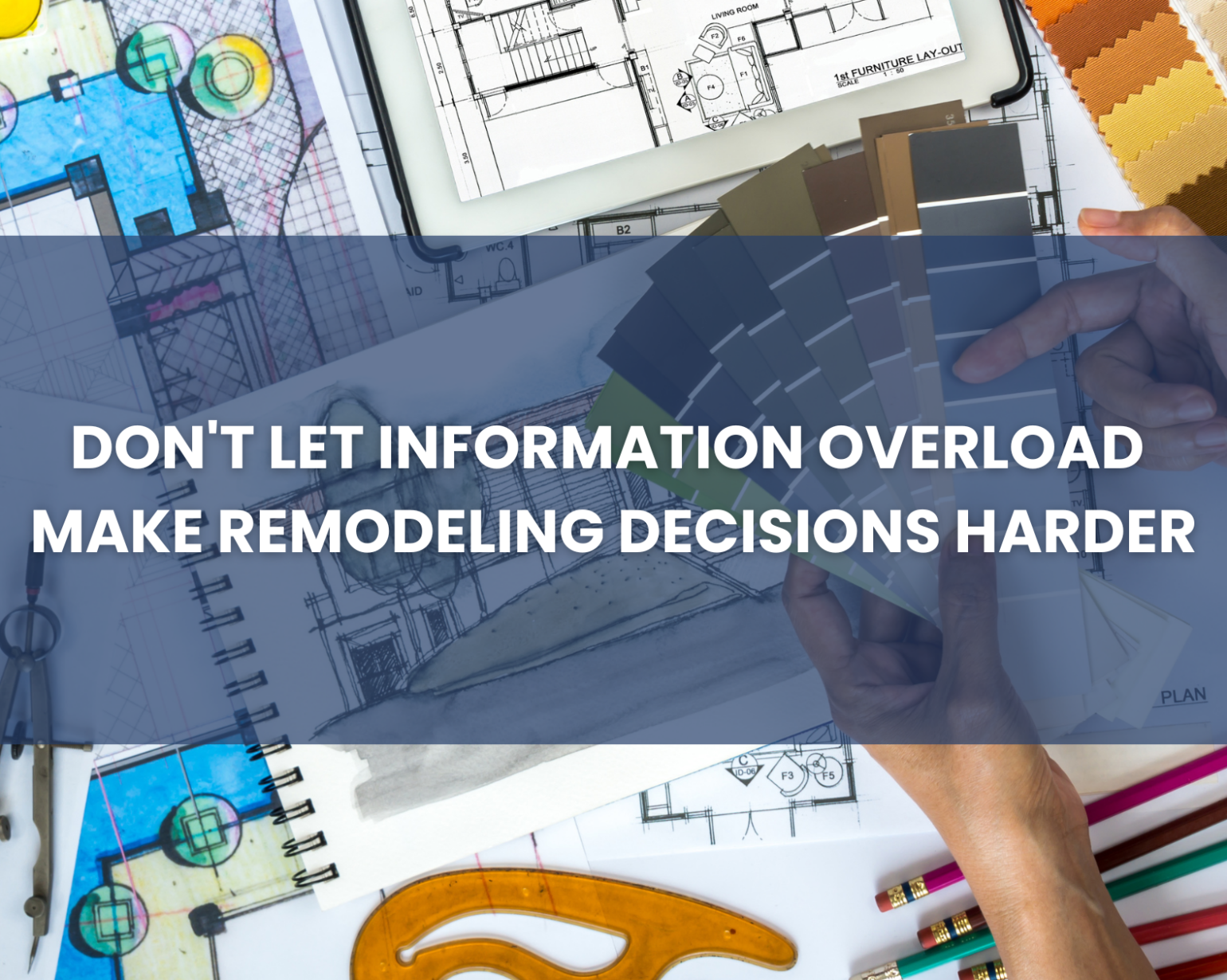
Most homeowners start a remodel the same way. You open a few tabs, save a handful of inspiration photos, and tell yourself you are just doing your research. Pinterest boards grow. Google searches multiply. Advice starts coming in from friends, neighbors, blogs, and social media feeds.
At first, it feels productive. You are gathering ideas and trying to make smart, informed decisions. But somewhere along the way, clarity gives way to confusion. One kitchen layout contradicts another. One article says to splurge, another says to simplify. Trends shift faster than you can keep up, and suddenly it feels harder to move forward than when you began.
This kind of decision fatigue is incredibly common in remodeling, especially when homeowners are navigating the process without professional guidance. Remodeling is not something most people do often, yet it comes with high expectations and lasting impact. Feeling overwhelmed does not mean you are doing something wrong. It simply means there is a lot to sort through, and not all information is equally helpful.
Understanding why this happens is the first step toward making the process feel clearer, calmer, and more manageable.
Why Remodeling Is Especially Prone to Information Overload

Remodeling decisions carry more weight than most home-related choices. You are not just picking colors or finishes. You are shaping how your home functions, how it feels to live in, and how well it supports your day-to-day life for years to come. The emotional and financial investment alone can make every decision feel high stakes.
On top of that, the number of available options is enormous. Layouts, materials, fixtures, lighting styles, and storage solutions all come with countless variations. Trends move quickly, and what feels current one month can feel dated the next. Without a clear framework for evaluating options, everything starts to compete for attention.
Advice also comes from every direction. Friends share what worked for them. Online articles promote best practices that may not apply to your home. Television shows compress complex remodels into neat timelines that do not reflect real-world constraints. Even well-meaning contractors can offer conflicting guidance based on their own preferences or experiences.
When all of this information stacks up without a clear filter, it becomes difficult to know which input actually matters. Instead of creating confidence, the volume of advice can leave homeowners second-guessing their instincts and unsure of how to move forward.
The Hidden Cost of Too Many Choices

When there are too many options on the table, decisions tend to slow down. Homeowners hesitate, revisit the same choices repeatedly, or put the project on pause altogether. What started as excitement can turn into uncertainty, not because the vision is unclear, but because it feels impossible to choose the right path forward.
This overload often leads to second-guessing. Even after a decision is made, it is common to wonder if another option would have been better. That doubt can chip away at confidence and make the process feel heavier than it needs to be. Instead of feeling progress, it can feel like every choice opens the door to more questions.
Another hidden cost is misalignment. When decisions are driven by disconnected inspiration rather than real lifestyle needs, the result may look good on paper but fall short in daily use. Storage does not work the way it should. Traffic flow feels awkward. Spaces fail to support how the home is actually lived in.
Over time, this can lead to frustration and regret. The issue is not a lack of effort or care. It is the absence of a clear structure for narrowing choices and tying decisions back to what matters most.
Why More Inspiration Does Not Always Mean Better Outcomes

Inspiration plays an important role in remodeling. It helps homeowners articulate what they are drawn to and what they want their home to feel like. The challenge arises when inspiration is mistaken for a ready-to-build solution. Beautiful images rarely show the full picture of what it takes to make a space work in a real home.
Every house has its own constraints. Ceiling heights, structural elements, natural light, and existing layouts all shape what is possible. Budget, timelines, and long-term maintenance also matter. An idea that works perfectly in one setting may not translate well to another, no matter how appealing it looks online.
This gap between inspiration and implementation has widened in recent years. Highly polished content and AI-generated renderings often present spaces that are not grounded in building codes, material limitations, or realistic construction methods. While these visuals can spark creativity, they can also set expectations that are difficult or impractical to meet. According to Park and Patina, “Design choices rooted in proportion, balance, and personal lifestyle tend to age gracefully. They don’t rely on what’s popular today — they reflect how you want to live for years to come.”
Better outcomes come from understanding context. When ideas are evaluated through the lens of how a home is used, what can be built responsibly, and what will stand the test of time, inspiration becomes a tool rather than a source of confusion.
How a Design-Build Partner Helps Filter the Noise
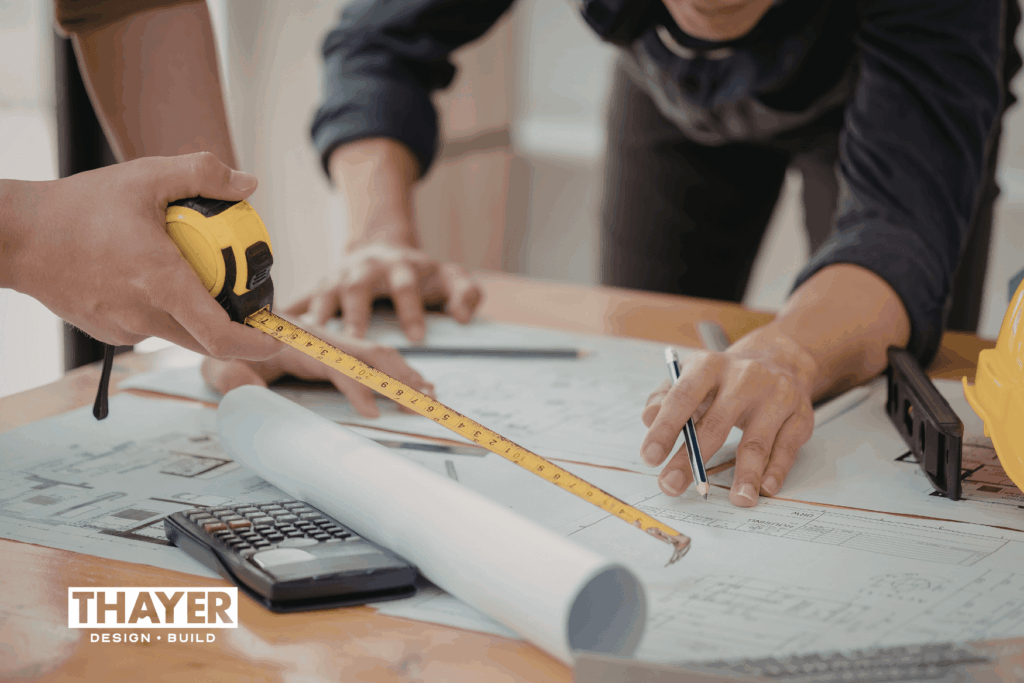
A design-build partner brings structure to a process that often feels scattered. Instead of starting with endless options, the focus begins with understanding goals. How the home needs to function, what matters most day to day, and what success looks like at the end of the project all come first.
From there, information is filtered through clear priorities. Design choices are evaluated based on livability, durability, and how well they support the homeowner’s lifestyle. Rather than presenting every possible option, a design-build team narrows the field to choices that make sense for the home, the budget, and the long-term vision.
Professional guidance also replaces guesswork. Decisions are informed by experience, building knowledge, and an understanding of how design translates into construction. This reduces conflicting advice and helps homeowners feel confident that each choice is grounded in reality, not just inspiration.
The result is not less creativity. It is more intentional decision-making.
What Clarity Feels Like in the Remodeling Process with our Design-Build Company
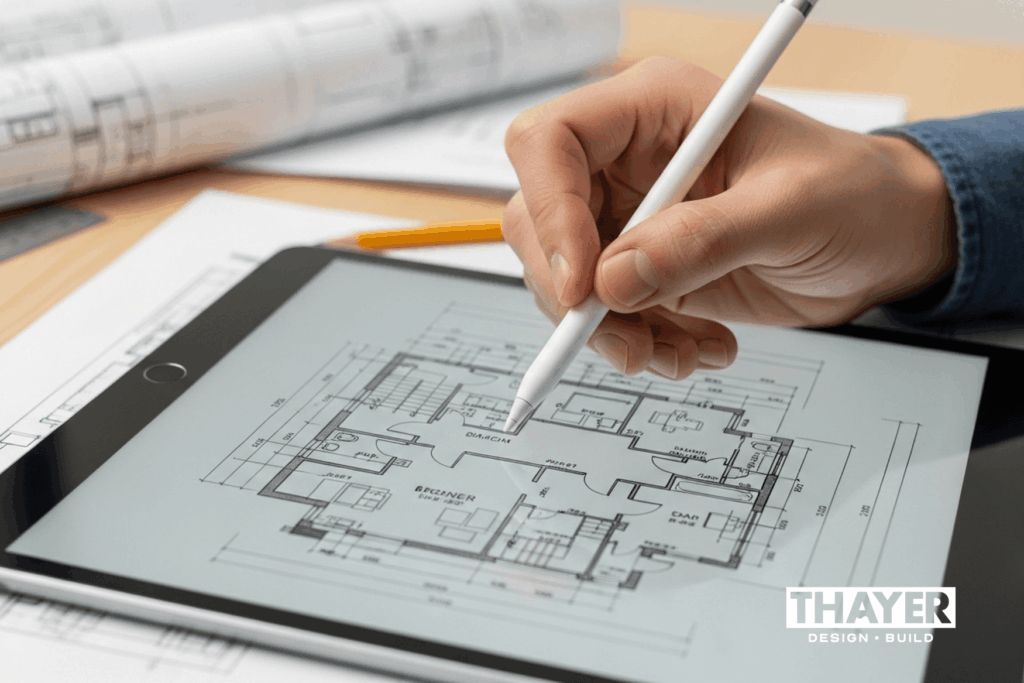
Clarity changes the entire remodeling experience. Decisions no longer feel rushed or heavy because they are guided by a clear understanding of priorities. Homeowners know why a choice is being made and how it supports the bigger picture of the project.
With that confidence comes less stress. Timelines feel more predictable, communication feels more straightforward, and fewer decisions need to be revisited. Instead of reacting to new information as it appears, homeowners can trust that the plan in place was built thoughtfully from the start.
There is also a noticeable shift in how supported the process feels. Rather than carrying the responsibility of every detail alone, homeowners have a team helping them think through options, anticipate challenges, and stay aligned with their goals. The experience becomes collaborative instead of overwhelming.
When clarity is present, the focus returns to what matters most. Creating a home that functions well, feels personal, and supports everyday life without constant second-guessing.
Clarity Comes From the Right Guidance, Not More Open Tabs

Remodeling does not require having every answer before you begin. The pressure to research everything, compare every option, and anticipate every outcome often creates more confusion than confidence. Too much information can blur priorities instead of sharpening them.
Clarity comes from having the right guidance at the right time. A thoughtful remodeling partner like Thayer Design Build helps translate ideas into decisions that fit your home, your lifestyle, and your long-term goals. With clear direction, the process feels less like sorting through endless opinions and more like moving forward with purpose.
You do not have to navigate this alone or keep opening new tabs in search of the perfect answer. A guided approach can bring focus, reduce stress, and help you feel confident in each step of the journey.
If you are ready to regain clarity, explore Thayer Design Build’s design-build process or reach out to start a conversation about your project. The goal is not pressure or quick decisions, but support that helps you move forward with confidence.