
How to Store Furniture During Your Home Remodel
One of the least glamorous parts of a home remodel is also one of the most important: figuring out what to do with your furniture.
Most homeowners spend their time thinking about the exciting parts of the project – the new layout, cabinetry, tile, lighting, or how much better the space will function when it’s done. What often gets pushed to the side until the last minute is what happens to everything currently living in that space.
And that’s where stress tends to show up.
If you’re remodeling a kitchen, bathroom, primary suite, or multiple areas of your home, your furniture can’t simply stay put and hope for the best. Even if construction is limited to one section of the house, dust has a way of traveling farther than people expect, and jobsite access matters more than most homeowners realize. The more crews have to work around furniture, the harder it becomes to keep the project moving efficiently.
That doesn’t just affect convenience. It can affect the overall experience of living through a remodel.
A dining table shoved into the living room may feel manageable for a few days. A sofa covered in plastic in the garage may seem “good enough” for a while. But once demolition starts, pathways narrow, tools come in, materials arrive, and dust becomes part of daily life, those temporary solutions can start to feel a lot less workable.
This is especially true in older homes in Corvallis, Albany, Philomath, and surrounding mid-Willamette Valley neighborhoods, where layouts often feel tighter, and storage is already limited before a remodel even begins.
For many homeowners, the real issue isn’t just storage. It’s trying to maintain some sense of order while your home is temporarily in transition.
That’s why having a furniture storage plan before construction begins can make such a big difference. It helps protect your belongings, gives your project the space it needs, and makes the process feel much more manageable from the start.
Because when your home is being reworked, even the practical details deserve thoughtful planning.
Proper Furniture Storage Impacts More Than Just Space

At first glance, furniture storage can seem like a simple logistics issue. You just need to get things out of the way, right?
Not exactly.
Where and how you store your furniture during a remodel affects much more than square footage. It can influence how efficiently your project moves, how protected your belongings are, and how livable your home feels while construction is underway.
That’s because remodeling doesn’t happen in a vacuum.
Once demolition begins, your home becomes an active jobsite. Trades need room to move, materials need places to land, and pathways need to stay clear. Even if the work is limited to one room, the ripple effect tends to extend beyond it. Dust, foot traffic, tools, deliveries, and temporary disruptions all start to shape how the rest of your home functions day to day.
This is where many homeowners get caught off guard.
A piece of furniture that feels “out of the way” to you may still be in the way of a countertop delivery, cabinet install, or daily access route for crews. And while it may seem easier to leave furniture nearby and cover it, that often provides less protection than people assume. The EPA recommends containing dust, using protective barriers, and providing ventilation during remodeling because pollutants and debris can spread more easily than expected. Our team utilizes protective barriers and air scrubbers to keep the air as clean as possible, but it doesn’t prevent everything.
There’s also the homeowner side of the equation.
When your dining chairs are stacked in the hallway, your coffee table is in the guest room, and your garage is overflowing with displaced items, your home can start to feel chaotic fast. That may be manageable for a weekend project, but for a remodel lasting several weeks or longer, that kind of setup can wear on you.
Proper storage helps create breathing room.
It gives the project the space it needs to function well, and it gives you a better chance of maintaining some normalcy while your home is in transition. In many cases, it also reduces the likelihood of accidental scuffs, broken items, fabric damage, or exposure to dust and moisture.
And if you’re storing upholstered furniture, antiques, wood pieces, electronics, or anything especially sensitive, where those items go matters even more. In some situations, climate-controlled storage may be worth considering, especially for pieces you want to keep in excellent condition.
The bottom line is this: furniture storage is not just about making space. It’s about protecting your investment, supporting a smoother remodeling process, and making your home feel more manageable while the work is happening.
That’s why it’s worth planning intentionally before construction begins.
Your Furniture Storage Options During a Remodel
Once you know your furniture needs to move, the next question becomes: where should it go?
The right answer depends on the size of your remodel, how much of your home is affected, and whether you’ll be living in the house during construction. What works for a small bathroom remodel may not work at all for a kitchen renovation or whole-home project.
The goal is not just to get furniture out of the room. It’s to choose a storage solution that protects your belongings and gives the project enough space to move forward smoothly.
Here are the most common options homeowners consider.
1. Store Furniture Elsewhere in the Home
For smaller or more contained remodels, it may make sense to relocate furniture to another room in the house.
This can work well if:
- The remodel is limited to one area
- You have a guest room, bonus room, or unused office
- The rest of the home can still function comfortably
This is often the easiest and most affordable option, but it has its limits. If furniture starts spilling into main walkways or high-traffic living areas, it can make everyday life feel more cramped and disorganized than expected. It also may not offer enough protection if nearby spaces are still exposed to dust, foot traffic, or construction activity.
If you go this route, it helps to be realistic about how long the furniture will be displaced and how much disruption your household can comfortably absorb.
2. Use a Garage or Covered On-Site Space
Garages are often the first place homeowners think of for temporary furniture storage, and in some cases, they can be a practical solution.
This may work well for:
- Dining tables and chairs
- Smaller accent furniture
- Non-upholstered items
- Short-term storage during isolated projects
That said, garages are not ideal for everything. In Oregon, upholstered furniture, wood pieces, artwork, electronics, and anything sensitive to temperature or moisture may need more protection than a garage can provide. If you use this option, proper wrapping and thoughtful placement matter.
A garage can be a helpful short-term solution, but it’s usually best used selectively rather than as a catch-all.
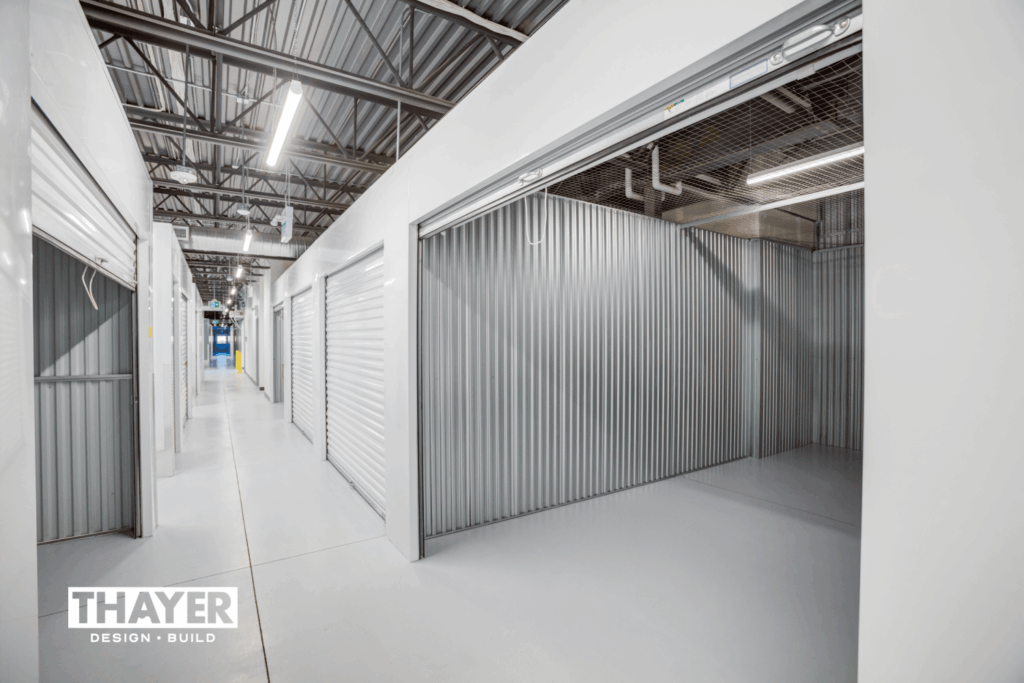
3. Rent an Off-Site Storage Unit
For larger home renovations in Corvallis, Albany, or Philomath, off-site storage is often one of the cleanest and least stressful solutions.
An off-site storage unit can make a big difference when:
- A kitchen, primary suite, or multiple rooms are being remodeled
- You need to clear major furniture out of the home
- You want to reduce clutter and protect belongings more fully
This option gives your project room to breathe. It also helps your home feel less chaotic while work is underway, especially if you’re continuing to live there during construction.
For homeowners with high-value furniture, antiques, or upholstered pieces, climate-controlled storage may be worth considering. It can offer an added layer of protection for items that are more vulnerable to moisture, heat, or fluctuating conditions.
If you choose a storage unit, it helps to label clearly and keep only what you truly need access to during the remodel.
4. Use a Portable Storage Container
Portable storage containers can be a convenient middle-ground option for homeowners who want flexibility.
These are often a good fit if:
- You want to pack at your own pace
- You prefer storage that stays accessible
- You have enough room on your property for placement
This option can reduce the need to make multiple trips to a storage facility and can be especially helpful during larger projects where timing and convenience matter. Depending on the provider, the container may stay on-site or be transported off-site after it’s loaded.
For some homeowners, this feels more manageable than coordinating a full move into a storage unit. For others, having a large container on the property may feel like one more thing to work around. It really comes down to your space and your comfort level.
5. Combine Storage With Temporary Relocation
For extensive remodels, especially those affecting major living areas, furniture storage often works best alongside temporary relocation.
This may make the most sense if:
- Your kitchen will be unusable for an extended period
- Multiple rooms are under construction at once
- You work from home, have young children, or want less disruption overall
In these cases, storing furniture is not just about protecting your belongings. It’s also about making your home more livable – or deciding whether it makes more sense to step away from it for a while.
For many homeowners, this creates a much smoother overall experience.
How to Choose the Best Option to Store Furniture
If you’re unsure which route makes the most sense, start with these questions:
- How much of the home is being remodeled?
- Will you still be living there during construction?
- Do you have enough space elsewhere in the house to relocate furniture comfortably?
- Are any of your pieces especially valuable, delicate, or difficult to move?
- Do you want the most convenient option, or the most protective one?
The best storage plan is the one that supports both the project and your day-to-day life while it’s happening.
Because the easier your home is to navigate during a remodel, the easier the whole process tends to feel.
How Thayer Approaches Conversations about Furniture Storage

By the time construction begins, your home should not feel like a giant unanswered question.
That is one of the biggest benefits of a well-planned remodeling process: you are not left figuring out important logistics at the last minute while also trying to prepare your home for demolition, deliveries, and the disruption of daily life.
Furniture storage is one of those details that may seem small at first, but it has a meaningful impact on how smoothly a project begins and how manageable it feels once work is underway.
That is why it should be addressed early.
It Starts With Understanding the Scope
The best storage plan depends on how much of your home is being affected.
If you are remodeling a bathroom and the rest of the home remains untouched, the storage approach may be fairly simple. If you are remodeling your kitchen, opening up your main living space, or tackling multiple rooms at once, the plan needs to be more intentional.
At Thayer, this starts with understanding how the project will impact your home in real, everyday terms, not just on paper.
That includes questions like:
- Which rooms will be active work zones?
- How much space will crews and materials need?
- Will you still be living in the home during construction?
- Are there bulky, delicate, or high-value items that need extra protection?
Those are the kinds of questions that help shape practical recommendations before construction begins, not after the house is already in motion.
Planning Ahead Creates a Better Build Experience
One of the easiest ways to make a remodel feel harder than it needs to is to enter it without enough physical and mental breathing room.
When furniture is still being shuffled around the day before demolition, or when homeowners are trying to make storage decisions after the project has already started, it tends to create unnecessary friction. Not because anyone did something wrong, but because there is already enough to think about during a remodel.
Planning ahead changes that.
A home that is properly cleared and prepared gives trades better access, helps protect belongings, and supports a more organized jobsite from day one. It also helps homeowners feel more settled, because they are not making reactive decisions in the middle of an already disruptive process.
That kind of preparation does not eliminate every inconvenience, but it can make the experience feel significantly more manageable.
The Goal Is Not Perfection. It Is Readiness.
Most homeowners do not need a picture-perfect setup before construction starts. They just need a realistic one.
That means knowing:
- What needs to move
- Where it is going
- What needs extra protection
- What should stay accessible during the remodel
This is especially important for homeowners who are staying in the home during construction, juggling work schedules, managing family routines, or simply trying to preserve some sense of normalcy while the house is temporarily in transition.
The more intentional that setup is upfront, the less overwhelming the remodel tends to feel once it begins.
And that is really the point.
A good remodeling experience is not just about beautiful finished spaces. It is also about how well the process is supported along the way.
What This Means for You and Your Home

When you are preparing for a remodel, furniture storage may not feel like one of the biggest decisions you will make. But in practice, it can have a major effect on how the experience unfolds.
The right plan creates more than just open space. It creates better conditions for the entire project.
When furniture is properly cleared, protected, and accounted for, your home tends to function better during construction. Crews can move more efficiently. Materials have somewhere to go. Pathways stay safer and more usable. And your belongings are less likely to be exposed to unnecessary dust, damage, or disruption.
That matters whether you are remodeling one room or several.
It also matters for your day-to-day experience while the work is happening.
If you are living in the home during construction, every small inconvenience tends to add up. A crowded hallway, a garage packed floor to ceiling, or furniture piled into the wrong room can make your house feel more chaotic than it needs to. On the other hand, when you have a plan in place from the beginning, the remodel often feels more manageable and less emotionally draining.
That is especially true if your project involves spaces you rely on every day, like your kitchen, main living areas, or primary suite.
For many homeowners, thoughtful storage planning also brings something less tangible but just as important: peace of mind.
When you know your furniture is protected and your home has been set up intentionally, it becomes easier to focus on the bigger picture. You are not constantly worrying about what is in the way, what might get damaged, or whether you should have handled things differently before the project began.
Instead, you can move into the remodel feeling more prepared and more confident in what is ahead.
And that kind of clarity makes a difference.
Because while the finished space is the goal, how you get there matters too.
Storing Furniture Properly is Key to Remodel Readiness

Sometimes, the things that make the biggest difference in a remodel are the practical details that help the process run more smoothly from the start. Furniture storage is one of those details.
When you take the time to think through where everything will go before construction begins, you create more than a cleaner jobsite. You create a better experience for yourself while your home is in transition.
You protect the things you care about. You make room for the work to happen efficiently. And you reduce some of the avoidable stress that can come from feeling unprepared.
Whether your furniture stays elsewhere in the home, moves to a storage unit, or gets packed away while you temporarily relocate, the best plan is the one that supports both your project and your everyday life.
Because remodeling is not just about changing your home. It is about navigating the process well enough that the outcome feels worth it from beginning to end.
If you are planning a remodel and want to feel more prepared for what the process actually looks like, our Home Remodeling Cost Guide is a helpful place to start.